
Justice and Its Unfinished Promise
Killers of the Flower MoonThis flow traces the difference between convictions in individual cases and the broader justice the Osage community sought but never fully received.
increasing Bearing strength in each event
 decreasing
Bearing strength in each eventdecreasingJustice Begins with a Murder Inquiry
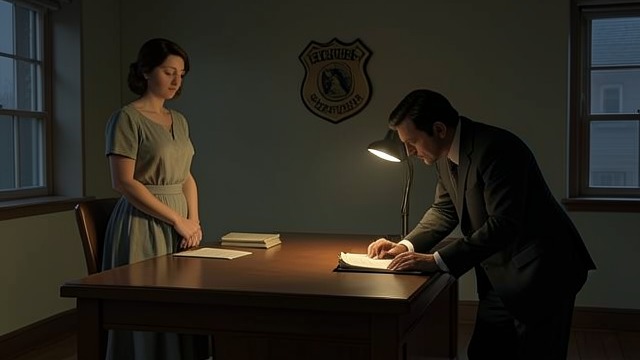
Justice Begins with a Murder Inquiry
A Formal Finding
The inquest determines that Anna Brown died by murder, but does not identify a perpetrator. The investigation is limited by prejudice, poor evidence handling, and weak local authority.
A Family’s Demand
Mollie presses officials to investigate and turns to William K. Hale when they seem indifferent. The pursuit of justice begins inside a system that has already discounted Osage lives.
The Tribe Appeals to Washington
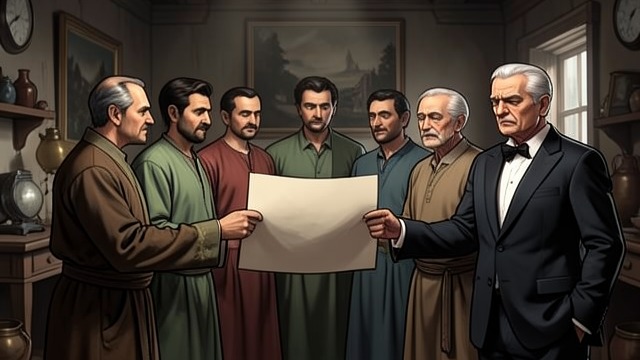
The Tribe Appeals to Washington
A Council Resolution
The Osage Tribal Council asks the Justice Department to capture and prosecute those responsible for the murders. The resolution describes the threats to the lives and property of tribal members.
A Costly Request
The Osage must contribute money to a federal investigation that should serve them. Their appeal reflects both a demand for protection and a lack of trust in local institutions.
The State Fails Its Duty

The State Fails Its Duty
Corruption Exposed
A state investigator is convicted of bribery, while local authorities fail to advance major cases. Witnesses are intimidated, reports leak, and lawmen may be tied to the people under suspicion.
Federal Authority Requested
The failures make federal intervention seem necessary, but the Bureau’s first effort also falters. The community encounters repeated institutions that promise justice without delivering it.
Convictions Without Full Repair
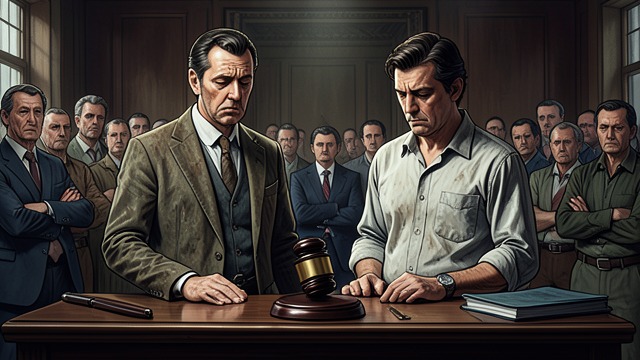
Convictions Without Full Repair
Men Punished
Hale and Ramsey are convicted for Roan’s murder, and Ernest Burkhart pleads guilty in the Smith bombing case. The verdicts establish legal responsibility in several central crimes.
Justice Remains Partial
The court does not account for every suspected murder, and sentences are not the only measure of what the community lost. The legal victories cannot restore relatives or return stolen wealth.
Memory as a Continuing Claim
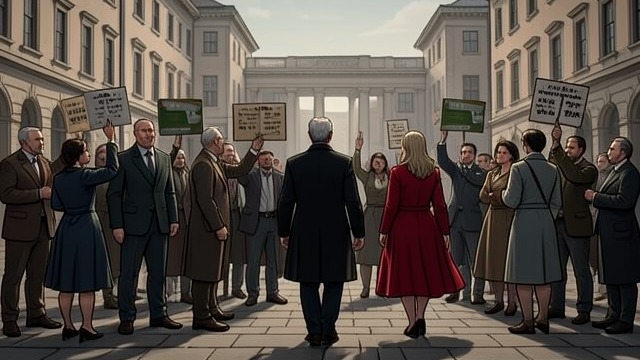
Memory as a Continuing Claim
Release and Protest
Ernest and Hale are eventually released, prompting Osage objections that the punishments did not match the crimes. The community continues to challenge decisions that return perpetrators to the region.
Justice Beyond the Verdict
Descendants, historians, and the Osage Nation preserve records and pursue new forms of accountability. The story ends not with closure but with an insistence that the victims and their families remain part of public history.
1921
1923
1923 to 1925
1926 to 1927
After 1937 to the present
